







Search Results for: coffee bean varieties
The Origin and Flavor Code of Arabica Coffee Beans: A Full Analysis from Variety Characteristics to Common Subspecies and Hybrids
Why can Arabica coffee beans become synonymous with specialty coffee? From the perspective of Front Street Coffee, this article systematically sorts out the core differences between Arabica and Robusta in flavor, growing conditions, and caffeine content, and introduces one by one the origins and flavor characteristics of common Arabica-derived subspecies and hybrid varieties such as Typica, Bourbon, Caturra, Geisha, Catimor, and SL28. It also includes the producing regions, altitudes, processing methods, and flavor descriptions of several representative coffee beans in Front Street Coffee stores, helping coffee enthusiasts fully understand the Arabica variety system so they can more accurately select coffee beans that match their personal preferences. [more…]
Ethiopian Heirloom Coffee Beans Explained: Differences from Landrace Varieties and Grading Standards
Ethiopia, as the birthplace of coffee, boasts an astonishing variety of cultivars, with nearly 2,000 varieties recorded to date, of which 1,927 are native varieties. Ethiopian coffee beans commonly found on the market are mostly labeled as Heirloom native varieties, but in recent years Landrace local varieties and numbered varieties have gradually gained popularity. In this article, Front Street Coffee will systematically sort out the definition, classification, and identification challenges of Heirloom native varieties, analyze the origins of Landrace and numbered varieties, and introduce in detail Ethiopia's coffee bean grading standards. Finally, it recommends a number of Front Street selected Ethiopian native varieties, covering well-known products such as Gedeb, Red Cherry, Woka, Aricha, and Huakui 5.0, with roasting and brewing data shared as well. [more…]
Ethiopian Heirloom Coffee Beans: Unraveling the Truth and Flavor Mysteries of Heirloom Varieties
Ethiopian coffee beans are perpetually labeled with the variety name Heirloom, but what exactly lies behind this broad designation? Why are Ethiopian beans always so inconsistent in size and so varied in flavor? This article, from the perspective of Front Street Coffee, traces the origin of the term "heirloom" and the controversies surrounding its definition, analyzes Ethiopian coffee variety classification, cultivation models, and green bean grading systems, and, through a blind tasting comparison of Front Street Sidamo Natural Arsi, reveals the true flavor differences between large and small coffee beans, helping you genuinely understand the richness and complexity of Ethiopian coffee. [more…]
An In-Depth Look at the Two Mainstream Coffee Bean Varieties: Characteristics of Arabica and Robusta, Common Arabica Sub-Varieties, and Hybrid Breeding
In the global coffee-growing landscape, origins such as Brazil, Colombia, and Indonesia each have their own renown, while botanically coffee belongs to the Rubiaceae family under the genus Coffea, with over a hundred known species, though commercial cultivation is mainly concentrated in three varieties: Arabica, Robusta, and Liberica. Arabica is known for its elegant flavors and rich aromas, accounting for more than seventy percent of global production, and is often used for single-origin and specialty coffee; Robusta, on the other hand, is heat-tolerant, high-yielding, and highly stress-resistant, and is mostly used for instant coffee and espresso blends. This article systematically reviews the advantages and disadvantages of these two major varieties, the origins and flavor characteristics of common Arabica sub-varieties such as Typica, Bourbon, Catimor, and Maragogype, and introduces the Castillo variety bred from a cross between Arabica and Robusta, while also sharing related product experiences from Front Street Coffee in stores and during cupping. [more…]
Identifying Varieties by Bean: Distinguishing Arabica Varieties and Flavor Differences from Coffee Bean Appearance
Different coffee varieties have their own distinctive bean appearances. In this article, Front Street Coffee starts with bean shapes to help you identify common Arabica varieties and understand the unique flavor tendencies of each. Typica beans are slender and plump, Bourbon beans are round and thick, Geisha beans are pointed at both ends and bulging in the middle, Caturra beans have a curved tail end, Catuai beans are oval and flat, SL28 and SL34 come from the Bourbon and Typica genetic groups respectively, and Ethiopian heirloom varieties vary in size due to their complex genetic diversity. By observing bean shape, bean thickness, and tail-end form, and then combining that with cupping flavor performance, you can make a preliminary judgment about which variety the coffee beans in front of you belong to. [more…]
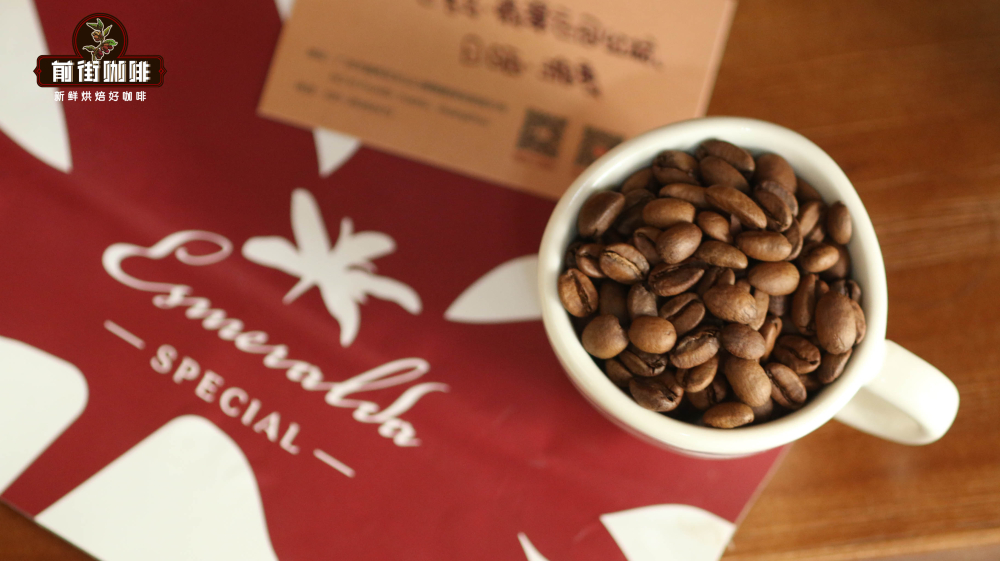
Coffee Varieties Illustrated | What Are the Taste and Shape Differences Between the Three Major Coffee Bean Species? How to Quickly Identify Coffee Bean Varieties? Are Ethiopian Heirloom and Geisha the Same Species of Coffee?
Every variety of coffee beans has different bean appearance (bean外貌) characteristics. In this article, Front Street will guide everyone through coffee bean appearance to identify coffee bean varieties, and what flavor characteristics do different coffee varieties have? ~| Typica (Typica) Typica originated in Ethiopia and southeastern Sudan. [more…]
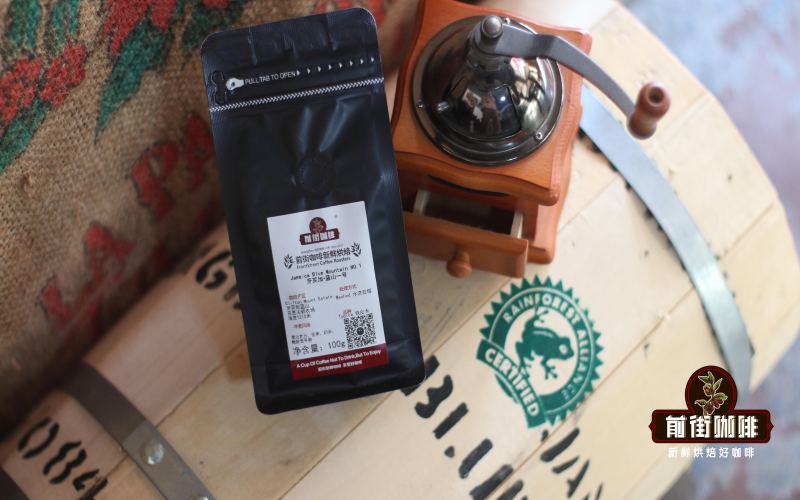
A Comprehensive Guide to 100% Arabica Coffee Beans: Variety Origins, Flavor Characteristics, and Common Representative Beans
We often hear the phrase "100% pure Arabica," but many people aren't clear on what it actually means. Arabica is actually the name of a coffee variety, not a country. It is currently the most widely cultivated and best-performing coffee variety in the world, with a caffeine content of only 0.8%-1.5%, and its output accounts for about 75% of the world's total coffee production. However, Arabica is delicate and frail, makes strict demands on the growing environment, and is prone to coffee leaf rust. Common specialty coffee beans such as Typica, Bourbon, Caturra, and Catuai are in fact all sub-varieties derived from Arabica. This article will systematically sort out the definition of Arabica, the origin of its name, and several of the most common derivative varieties on the market, to help coffee lovers gain a clearer understanding of the coffee beans they drink every day. [more…]
A Comprehensive Guide to Arabica Coffee: Variety Origins, Growth Characteristics, and Main Flavor Branches Explained
Arabica coffee is the dominant variety in the global specialty coffee market, but many people find that products labeled as Arabica beans can taste vastly different. The reasons behind this are closely tied to variety branches, growing conditions, and genetic evolution. This article will systematically sort out the origin and classification status of Arabica coffee, analyze its demanding requirements for the growing environment and its weaknesses in disease resistance, and introduce one by one the bean characteristics and flavor profiles of common branch varieties such as Typica, Bourbon, Caturra, Catuai, SL28, SL34, and Geisha. It will also include corresponding representative product recommendations from Front Street Coffee to help coffee enthusiasts build a clear framework for understanding varieties. [more…]

What exactly are Arabica coffee beans? A full analysis from variety origins to Typica, Bourbon, Caturra, and Catuai
People often say "100% Arabica," but what exactly does Arabica refer to? Is it a country, a producing region, or a coffee variety? In fact, Arabica is just one of the three major coffee species, the other two being Robusta and Liberica, and Arabica is widely used in specialty coffee due to its outstanding flavor. Its caffeine content is about 0.8%-1.5%, yet it accounts for about 75% of global production, but its growing conditions are demanding—it is vulnerable to frost, drought, and leaf rust. In this article, Front Street Coffee will guide you through the origin of the name Arabica, its spread and history, and the common varieties derived from it, such as Typica, Bourbon, Caturra, and Catuai, along with the origin and flavor information of representative coffee beans for each variety, to help you choose your ideal coffee more clearly. [more…]
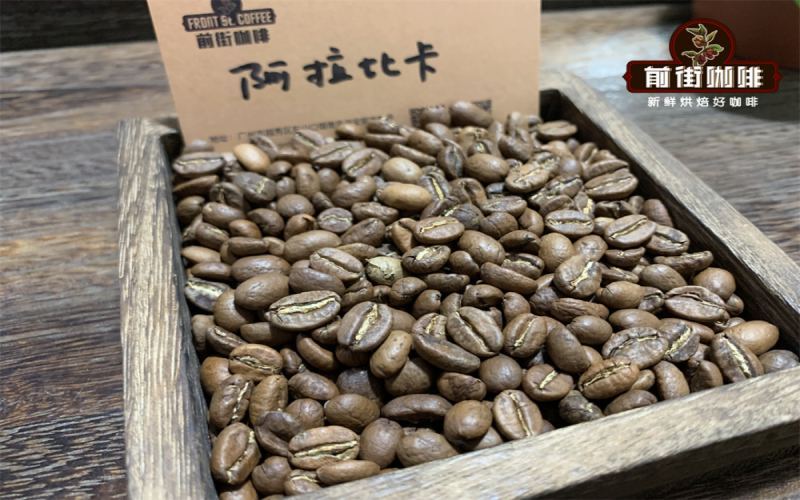
A Complete Analysis of Arabica Coffee Beans: From Variety Origins to the Flavor Characteristics of Typica, Bourbon, Caturra, and Catuai
Many people drink Arabica every day, yet may not truly understand it. Arabica is not a single variety, but one of the three major coffee species, with the best flavor and a caffeine content of only 0.8%-1.5%, while accounting for about 75% of global production. But it is inherently delicate, able to grow only at high altitudes, vulnerable to frost and drought, and prone to coffee leaf rust. From the perspective of Front Street Coffee, this article traces the origin of the name Arabica and its spread, and introduces one by one the characteristics and representative beans of several common derived varieties—Typica, Bourbon, Caturra, and Catuai—to help coffee lovers more accurately choose the cup that suits them. [more…]

From Bean Shape and Appearance to Flavor Characteristics: How to Identify Mainstream Coffee Varieties Such as Typica, Bourbon, and Geisha
Different coffee varieties have their own distinctive characteristics in appearance, morphology, and flavor expression, and learning to observe bean appearance helps identify varieties. From the perspective of Front Street, this article introduces one by one the bean shape characteristics and flavor tendencies of common coffee varieties such as Typica, Bourbon, Geisha, Caturra, Catuai, SL28 and SL34, as well as Ethiopian heirloom varieties, and includes corresponding Front Street recommended coffees to help coffee enthusiasts better understand varietal differences during tasting. [more…]
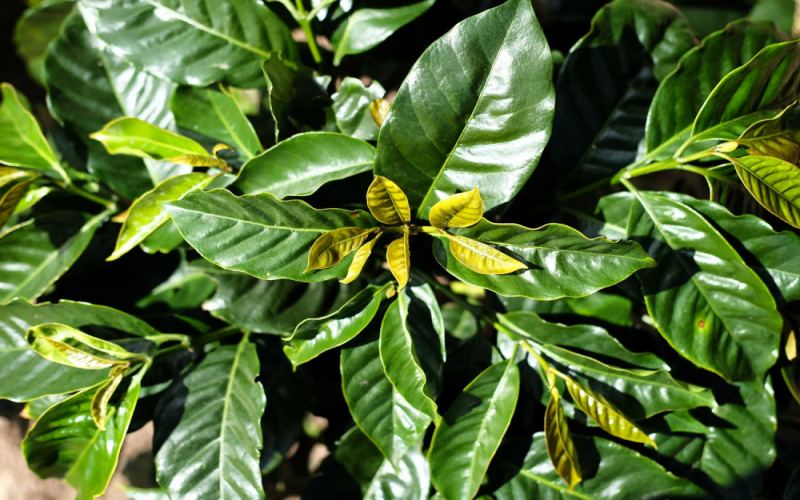
The Arabica Coffee Variety System | What types of Arabica coffee beans are there? Is the difference between Arabica and Robusta coffee significant?
It is often said that delicious coffee is inseparable from its variety, and currently the most common are Arabica coffee beans and Robusta coffee beans, which are the two most common bean types. The Arabica variety is considered the best among all varieties, mostly appearing as specialty coffee, and its overall flavor is also relatively good. Our famous Blue Mountain Coffee [more…]

Landrace and Heirloom in Ethiopian Coffee Beans: What Exactly Is the Difference Between Native Species and Local Varieties?
When purchasing Ethiopian coffee, the terms "native species" or "heirloom" commonly seen on packaging are already familiar to many, but in the past two to three years, a new term, "landrace," has also begun to appear frequently. What exactly is the difference and connection between the two? This article, from the perspective of Front Street, sorts out the essence of heirloom mixed harvesting, the logic behind the formation of landrace local varieties, and, using the specific case of Front Street Kafa Forest coffee beans, explains the regional story behind variety labeling. At the same time, it will also clarify a common misconception: Kafa Forest and Panama Geisha are completely different things; the former emphasizes the terroir of the origin, rather than a specific variety. [more…]

Common Coffee Varieties Illustrated Guide: Analysis of Bean Shape Characteristics and Pour-Over Flavor Differences in Typica, Bourbon, Caturra, and More
Faced with a bewildering variety of coffee beans, many enthusiasts wonder whether they can identify the variety by appearance alone. In fact, this is not as far-fetched as it seems—as long as you grasp the unique bean shape characteristics of each variety, you have a chance of doing so. This article compiles the appearance features of common varieties such as Typica, Bourbon, Caturra, Catuai, SL28/SL34, and Geisha, and, in conjunction with specific products from the Front Street Coffee bean list, explains their respective flavor trajectories in pour-over and espresso extraction. Of course, it is not uncommon for different varieties to look alike, and judging by appearance alone has its limitations, so it is better read as a piece of variety education. [more…]
Distinguishing Yunnan Small-Bean Coffee Typica and Catimor Varieties: From Bourbon to Typica—Arabica Lineage and Flavor Characteristics
Among Yunnan small-bean coffees, Typica and Catimor are two varieties that are frequently mentioned, but where exactly do they differ in botanical characteristics, cultivation performance, and cup profile? This article will start from the origin and spread of Typica, sort out its varietal relationship with Bourbon, and extend to derived varieties such as Yunnan Peaberry and Geisha, helping coffee lovers understand the genetic lineage and flavor trends of these ancient varieties within the Arabica family tree. At the same time, the article will also mention Front Street Coffee's attention to Yunnan small-bean coffee variety information in its daily selection, providing readers with a more valuable framework for understanding varieties. [more…]
Is Blue Mountain Coffee an Arabica? A Comprehensive Analysis of Arabica Flavor Characteristics and Common Derivative Varieties
Arabica is the most central variety in today's specialty coffee world, and Blue Mountain coffee also belongs to this broad category. This article will systematically introduce the basic knowledge of Arabica coffee beans from the perspectives of variety origin, flavor characteristics, and growing conditions, and will also sort through the features and representative products of common derivative varieties such as Typica, Bourbon, Caturra, and Catuai one by one. At the same time, combined with Front Street Coffee's brand recommendations, it provides coffee lovers with a complete guide from variety awareness to purchasing reference, helping you more clearly understand the rich diversity within the Arabica system. [more…]
An Analysis of Ethiopian Heirloom and Landrace Coffee Varieties: Native Species Characteristics and the Evolution of Their Naming
When you look at the origin information on a bag of Ethiopian coffee beans, the variety field often says "Heirloom." What exactly does this mean? It is actually a collective term for Ethiopia's local heritage varieties, and it is estimated that there are tens of thousands of native coffees in the region that have not yet been formally identified. This article will systematically sort out the differences between Heirloom and Landrace, from the meaning of the terms, classification, and flavor expression to naming trends, and also introduce the meaning of the numbering of JARC-bred varieties. The article also combines several beans from Front Street Coffee to explain the reasons why Ethiopian beans vary in size and why their flavors change from year to year, helping you gain a more comprehensive understanding of the variety diversity of this birthplace of coffee. [more…]

Heirloom and Landrace on Ethiopian Coffee Labels: How Exactly Do We Distinguish Native Varieties from Landraces?
Friends who frequently buy Ethiopian coffee beans are certainly familiar with the variety label "Heirloom," usually translated into Chinese as "native species" or "heirloom." But in the past two or three years, another term has quietly appeared on the packaging of some Ethiopian beans—"Landrace." What exactly is the relationship between it and Heirloom? Are they different names for the same thing, or two completely different concepts? In this article, Front Street will take a careful look at the origins and evolution of Landrace local varieties, starting from Ethiopia's garden planting system, sorting out the mixed-harvest nature of Heirloom, then moving on to JARC's work in identifying local varieties, and why more and more international green bean merchants have begun to purchase these varieties with distinctive regional characteristics separately. At the end, we also include information on the Kaffa Forest lot currently sold by Front Street for everyone's reference and comparison. [more…]
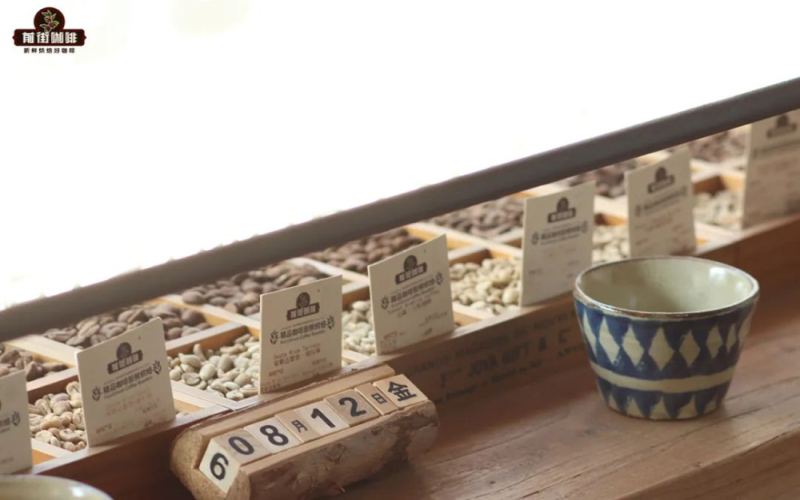
Arabica Coffee Variety Identification Guide: A Full Analysis of Bean Characteristics of Typica, Bourbon, Geisha, and More
Many people are curious about how some coffee experts can identify the variety and origin of coffee beans at a single glance. In fact, different varieties within the Arabica family each have their own distinctive bean shapes and appearances, and as long as you grasp the patterns, you can do it too. This article, from the perspective of Front Street Coffee, walks you through the bean shape characteristics of common varieties such as Typica, Bourbon, SL28, SL34, Caturra, Catuai, and Geisha. Roasted bean images are used as visual aids throughout the article so that you can take out the coffee beans on hand and compare them as you observe. Whether you are a complete beginner or a seasoned connoisseur looking to sharpen your identification skills, this guide will help you build the correspondence between variety and appearance. [more…]
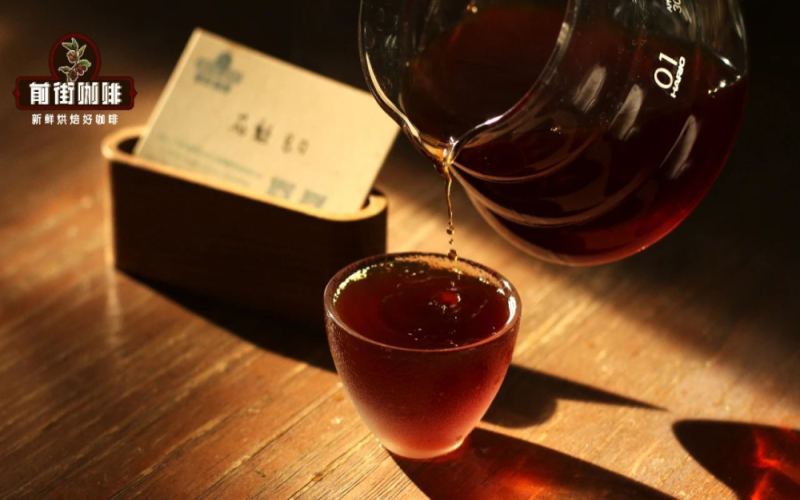
Complete Analysis of Huakui and Geisha Varieties and Origins: The Origins of the Translations Hambela and Geisha, and a Comparison of Their Flavor Differences
Recently, a video conflated Huakui coffee beans, the Hambela production region, and the Geisha variety, claiming that the three can be equated. Is this really the case? This article will trace the spread of the Geisha variety from Geisha Mountain in Ethiopia to Hacienda La Esmeralda in Panama, clarify the administrative affiliation of Hambela as a sub-region of Guji, and restore the full story of how Huakui coffee beans were named after winning the 2017 TOH. At the same time, Front Street Coffee will, through cupping experience, compare the flavor differences between small-bean Huakui and regular Huakui, and analyze the essential differences between Geisha and Huakui in their main flavor profile, helping coffee lovers build a clear understanding of varieties and production regions. [more…]